“Does the course teach ‘Selective Fading’ for cover-ups, or only total removal?” That’s a question I get asked all the time by students who walk into my Melbourne studio – especially those looking at a laser course in Melbourne or already signed up for a cosmetic tattoo course.
Let me be blunt: a top-class, modern laser tattoo removal course should cover both selective fading and full removal – but let’s face it, not every course does. And that difference is exactly what sets a good technician apart from a basic one who thinks they can hack it in the real tattoo removal industry.
At Cosmetic Tattoo Studio Melbourne Face Figurati, I see this gap all the time. Students who’ve done a quick tattoo removal course in Australia come in not quite sure how to tackle anything other than a full removal. And to be honest, that’s when the wheels start to come off in real client work.
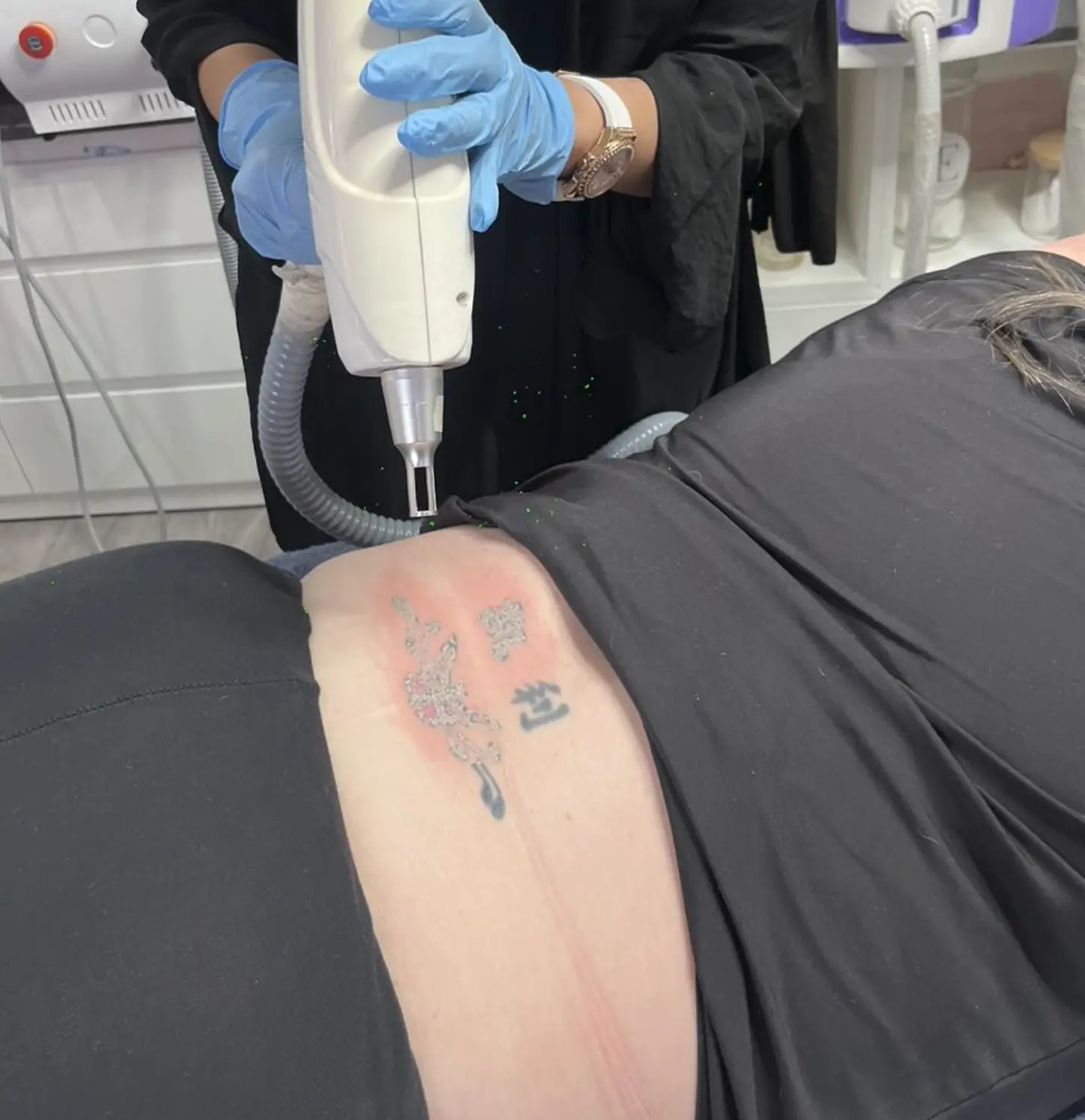
Why Targeted Pigment Softening Is The Real Game-Changer
Lots of people assume laser tattoo removal is all about stripping everything off. A clean slate, start again – sounds easy enough, but in reality, it’s rarely the best idea.
Selective fading is all about being in control, getting it right, and planning for a good outcome from a cosmetic-tattoo perspective.
How Controlled Lightning Works In Practice
In real-life treatment terms, this approach means:
- Breaking down specifically the right amount of pigment density, not the whole design as well.
- Using Q-switched laser tech, sends out ultra-short pulses.
- Applying selective photothermolysis to precisely target tattoo inks.
- Adjusting the energy levels based on how the skin responds and how deep the pigment is.
- Making sure the skin is ready for a better cosmetic tattoo result in the end.
I’ve had clients come in after doing a cosmetic tattoo course and realising their previous work was way too heavy. Instead of getting rid of it all, we softened the pigment and fixed it up nicely.
When Complete Clearing Is The Better Path
There are still times when removing all pigment is the safest option.
If a client has:
- Really bad colour distortion
- Deeply implanted tattoo ink
- Migration of pigment that’s gone well beyond its natural borders
… then complete clearing might be necessary before moving forward.
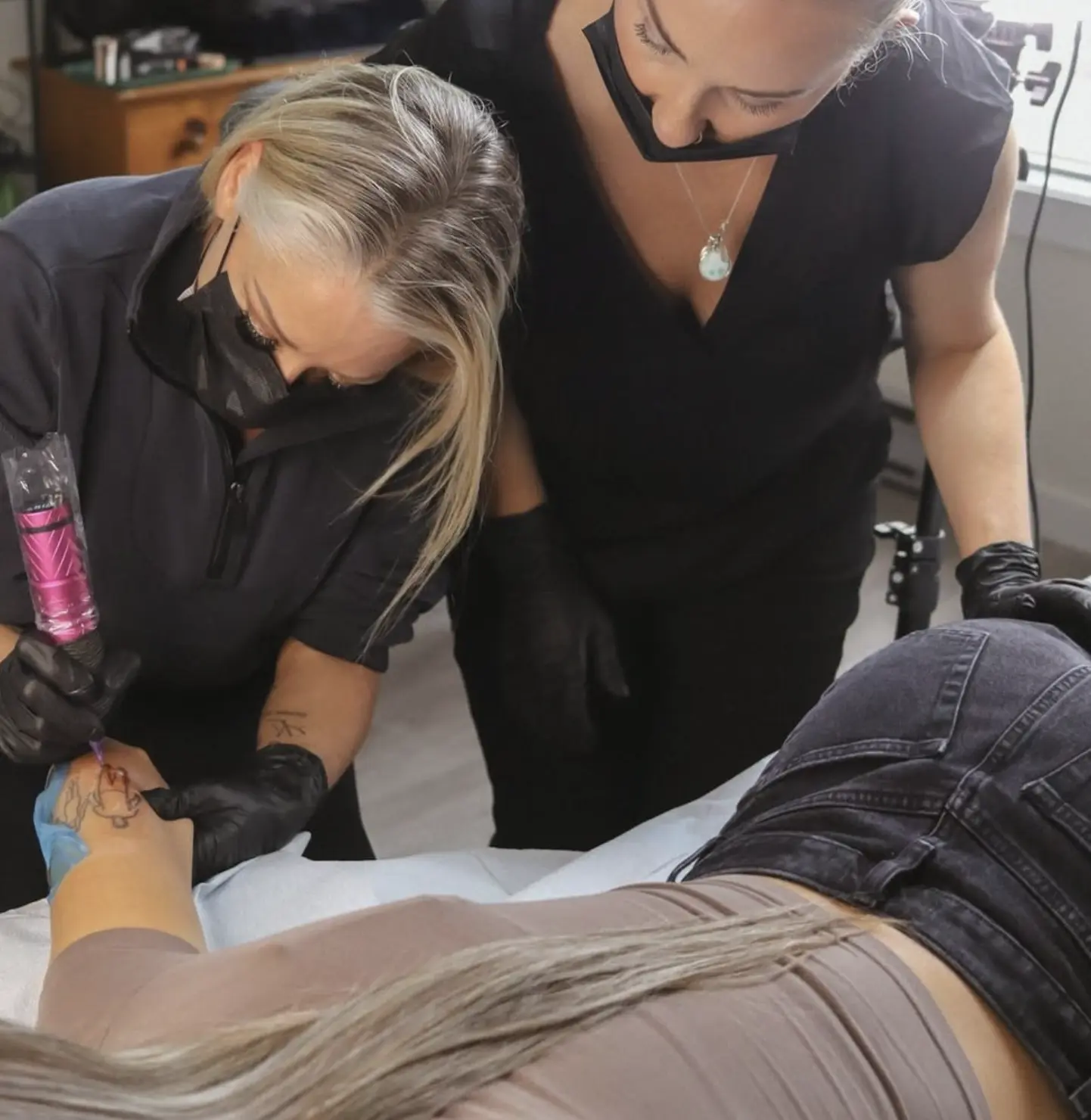
What Proper Removal Training Should Cover
A quality laser course in Melbourne should cover:
- How Q-switched laser systems use ultra-short pulses to fragment pigment
- The role of selective photothermolysis in safe and effective targeting
- How the lymphatic system deals with removing broken-down pigment
- What to expect in terms of treatment time over multiple sessions
- How the body heals – like how scabbing works
But the key here is: not every case needs that level of treatment.
What Advanced Education Actually Includes
Not all training programs go beyond the basics – and that’s where the problems start.
If you’re planning to combine laser work with a cosmetic tattoo course, you need more than just entry-level knowledge.
Side-By-Side: Two Different Treatment Goals
| Aspect | Selective Fading | Full Tattoo Removal |
|---|---|---|
| Goal | Lighten pigment for cover-up | Completely remove pigment |
| Sessions | 1–4 sessions are typical | 6–12+ sessions |
| Treatment Time | Shorter overall | Longer commitment |
| Client Outcome | Natural correction possible | Blank canvas |
| Skill Level | Advanced | Foundational |
| Industry Demand | High (PMU corrections) | Consistent |
What Students Often Aren’t Taught
Students coming out of those laser hair removal training courses often tell me they never got to learn a few really important things:
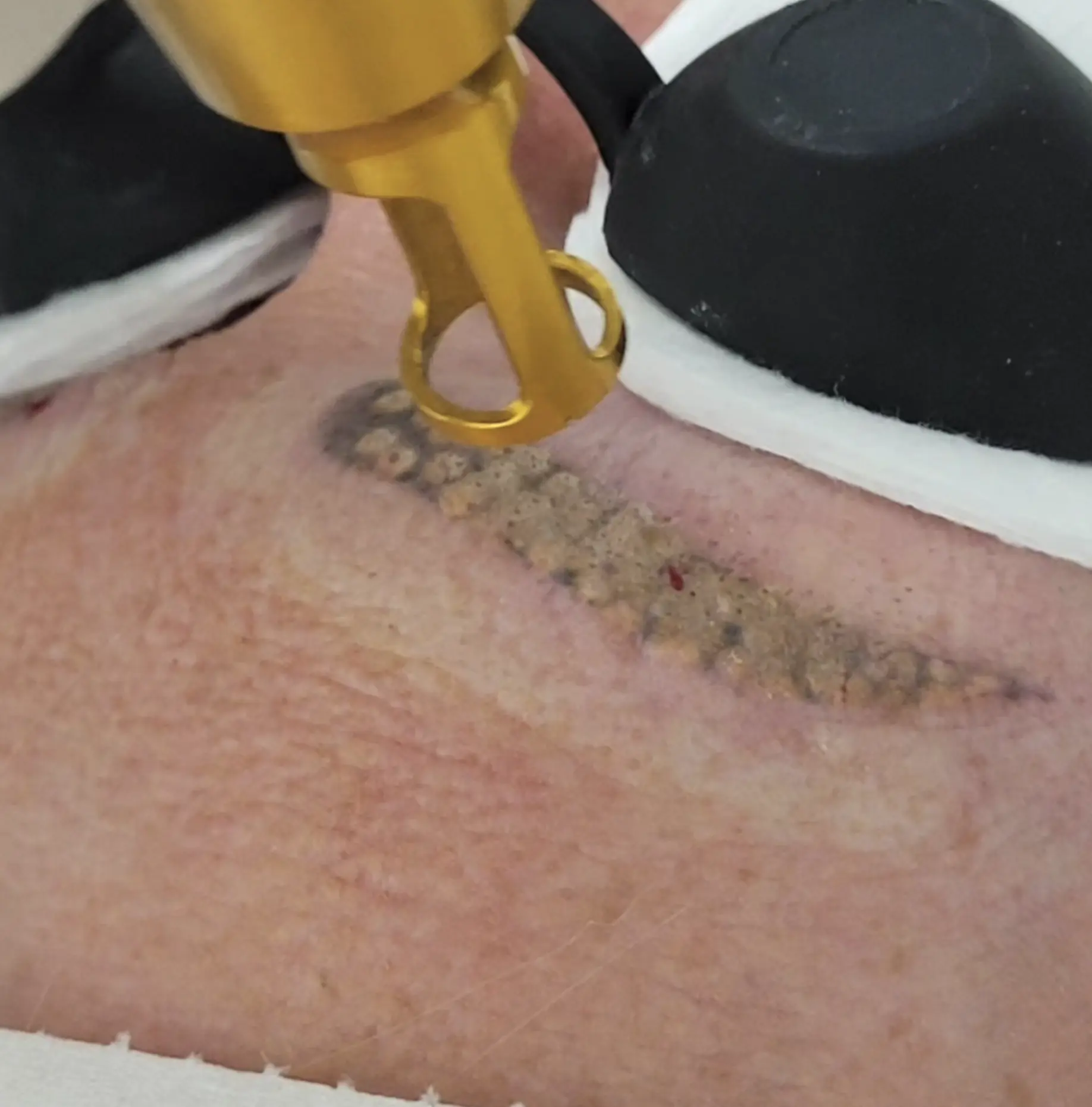
- What happens with permanent makeup, and during the actual session? Most ofcover skin assessment, safe energy use how different pigments behave.
- Why in the world do people experience colour shifts when the tattoo fades?
- How to tackle colour tattoo removal in a way that’s safe for the client.
- How to plan and prepare treatments as a laser specialist (this one can be really tough to figure out on your own).
It’s a pretty big problem – and one that becomes desperate when you’re dealing with facial tattoo corrections.
A Real Client Story From My Melbourne Studio
I want to tell you about a client who came in and really threw me for a loop.
She had uneven, really cool-toned eyebrows from a previous tattoo job – and had already been told she’d need to have them completely removed. That can take ages.
We took a different approach this time, though. We softened the pigment in two sessions, made sure the skin was good and healed, and then went in for a corrective cosmetic tattoo. The result was totally natural-looking and balanced – and it was all done in a fraction of the time that removal would have taken.
This is exactly what we aim for here at Cosmetic Tattoo Studio Melbourne Face Figurati – not just more treatment, but the right treatment for the job.
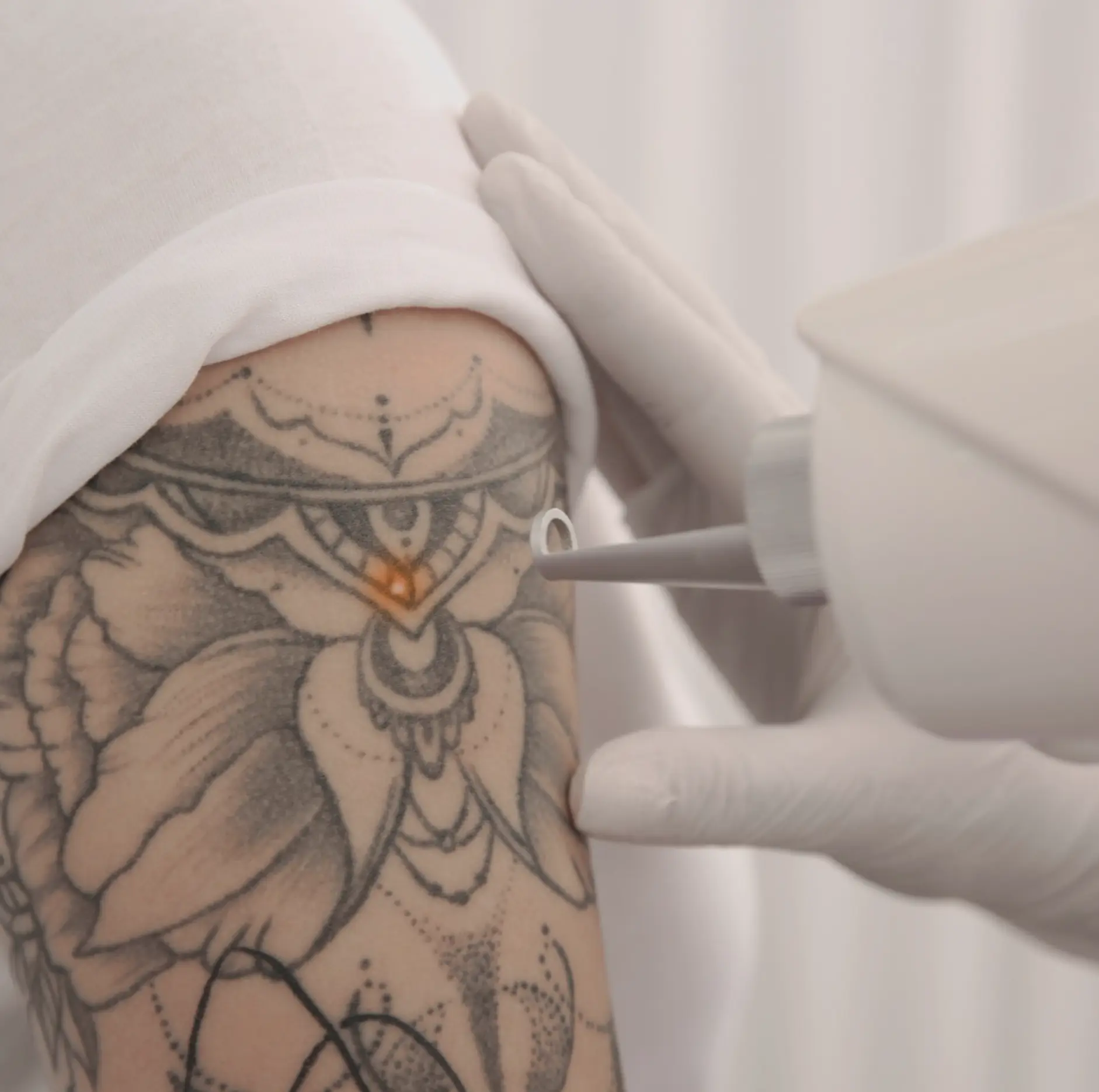
What The Process Feels Like From Start To Finish
Something that always strikes me when I’m teaching is that managing expectations is at least as important as doing the actual treatment.
For a client, the process in itself is pretty straightforward – but it does take some patience. You’ve got to keep the skin calm and protected from the sun before the treatments and during the actual session. Most people say it feels like a quick snap. Then there’s a bit of mild redness afterwards, and over the next few days, a light peeling of the skin.
As the weeks go by, the pigment just gradually fades as your body gets rid of it – but that’s where understanding the lymphatic system comes in, because it’s the one doing all the real work in the background.
And one thing I always remind my Melbourne clients (especially), is to keep slapping that SPF on – even though our weather might not seem that intense, UV exposure still messes up healing.
Why Skin Knowledge Matters More Than The Device
It’s not the machine that makes you a skilled practitioner – it’s your knowledge.
Different skin types behave completely differently, and if you don’t get trained on that properly, then you’re taking unnecessary risks.
Any good course should cover skin assessment, safe energy use, and hygiene protocols. These things aren’t add-ons – they’re essentials.
What Clients Are Actually Asking For Now
The industry’s shifted, and clients are increasingly well-informed. Their expectations are crystal clear and no longer about just ‘getting rid‘ of things.
They don’t stroll in asking for removals now – they want solutions.
I hear questions like:
- “Can you tone down some of this so I can get the shape right?”
- “How soon before I can redo my brow shape?”
- “Is there a more efficient way of doing it without removing everything?”
If all your training covers is full tattoo removal, you’re going to struggle getting answers to these questions with confidence.

How To Choose Training That Sets You Up Properly
If you’re thinking of taking a course – whether it’s a laser course in Melbourne, or expanding on your cosmetic tattoo training – take your time.
Don’t just look at fancy marketing materials – dig deeper and ask what’s actually covered in the training.
Introductory programs typically focus on standard removal techniques, and that’s alright as a starting point. But if you want to be able to correct cosmetic tattoos, you’ll need training in pigment behaviour, treatment planning and controlled fading techniques.
Don’t be surprised if you end up having to learn the hard way on real clients if you don’t get this kind of training.
Final Thoughts — What I Tell Every Student Before They Enrol
If you’re dead serious about breaking into this industry, don’t just ask what the course covers. Ask what it actually prepares you for.
Because in the real world, it’s not about just pressing a button – it’s about making the right call for each person who sits in your chair.
Sometimes that means complete removal. But most of the time it means knowing when to hold back, make an adjustment or refine.
That’s exactly the way we approach every case at Cosmetic Tattoo Studio Melbourne Face Figurati – with care and real thought, not just routine.
FAQ
Is fading always the better option for corrections?
Not on every occasion – it depends on the depth of the pigment, the colour in use and the quality of the previous work.
Can cosmetic tattoo pigments behave differently from those in body tattoos?
Yes, they can – permanently applied makeup pigments can react in unpredictable ways and require a more considered approach.
How long should you wait before reworking the area?
6-8 weeks, as a rule of thumb – it takes that long for the area to heal properly.
Do beginners learn advanced techniques straight away?
No way – advanced skills like selective fading require ongoing training and experience.
What should you look at before enrolling in a course?
Always check the curriculum to make sure they’re covering both fading strategies and full clearing methods.