Old batteries aren’t just dead weight cluttering your junk drawer. They’re chemical ticking time bombs, and if you think tossing them in the bin is harmless — think again. In this deep dive on what happens to batteries after they’re recycled, we’ll walk you through where they go, what gets salvaged, what turns to waste, and why it matters to you, your ute, and the planet.
We’ve hauled our fair share of cars with leaking AAAs in the glove box and corrosion-covered lead-acid monsters from under the bonnet. Whether it’s lithium-ion, nickel-cadmium, or the humble household AA — every battery has a story after it dies. From battery disassembly to recycled material recovery, here’s what really happens next.
At Old Cars Removed, we’ve seen firsthand how car recycling in Melbourne ties into the broader battery recycling effort. Every part counts.
Your Battery’s Journey Begins
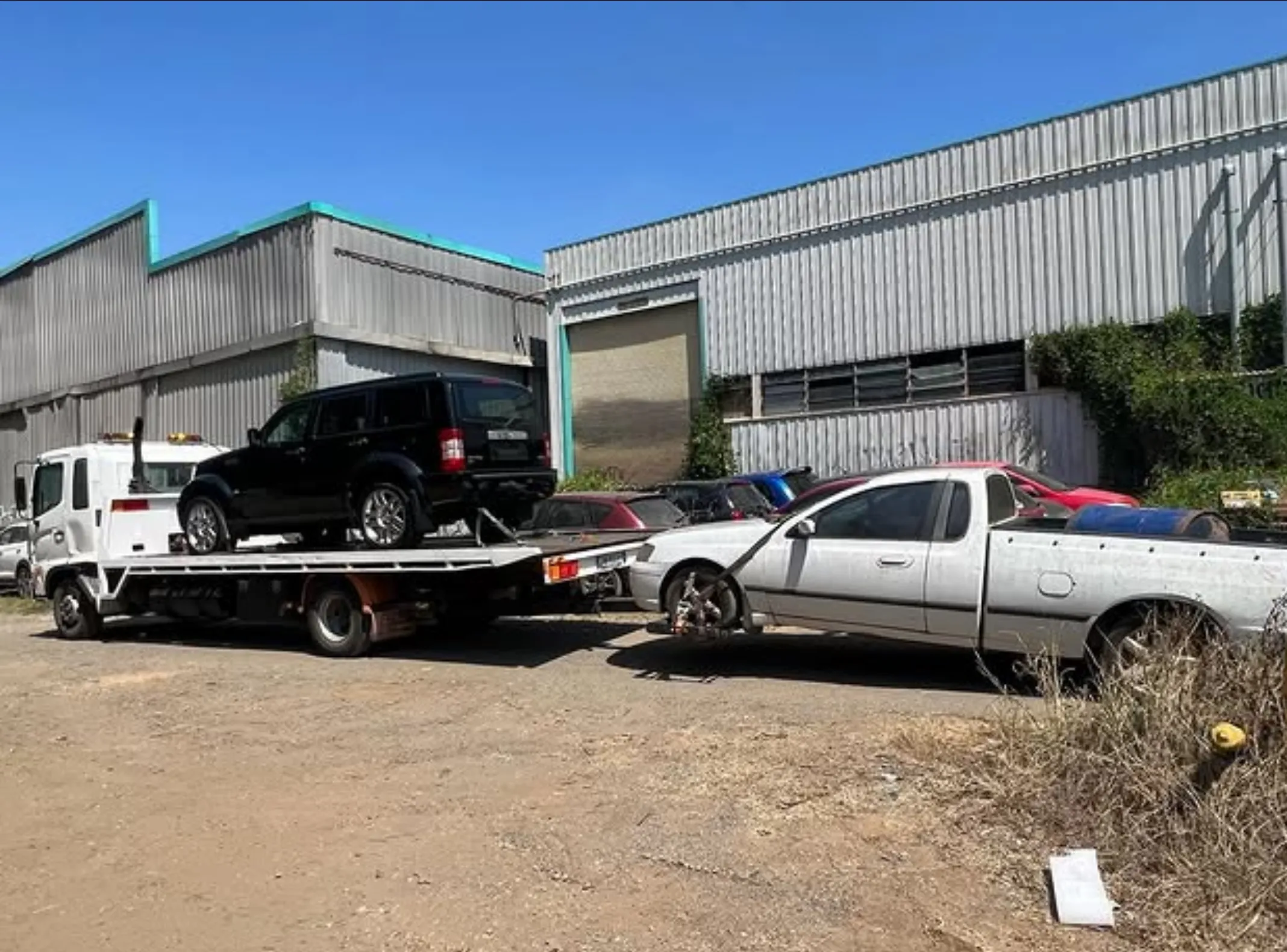
It all kicks off with you dropping it off (ideally) at the right spot. Think council drop-off points, battery bins at Bunnings, or a visit from a licensed scrap haulier.
Common collection points in Melbourne include:
- Local council waste transfer stations
- Supermarkets (especially for small household batteries like alkaline batteries)
- Automotive service centres and battery retailers
- Mobile battery collection drives (handy during community clean-up days)
From there, batteries are sorted by battery chemistries: lithium-ion, alkaline, lead-acid, nickel metal hydride, and so on. Each has different handling needs and recycling potential. Mixing them up? That can cause fires — seriously.
Crushing, Sorting, Shredding
Once sorted, batteries go through a mechanical pre-treatment — a crucial part of the recycling process. It’s not glamorous.
- Lead-acid batteries: Crushed. Sulfuric acid is drained and neutralised. The lead is separated from plastic battery casing.
- Lithium-ion batteries: Shredded under controlled, inert atmospheres to prevent explosions. Lithium hydroxide may be recovered during further treatment.
- Alkaline batteries: Mechanically broken down to separate the zinc, manganese, steel, and plastic.
Magnets, filters, sieves, and centrifugal force are used to tease apart metals and battery components. This is where it gets technical — a proper recycling ecosystem using advanced recycling technologies.
Recovery and Reuse: What Gets Saved?
Here’s the good stuff. Most batteries have a decent amount of reclaimable and battery-grade material. Check out this handy table:
| Battery Type | Recovered Materials | Reuse Potential |
|---|---|---|
| Lead-acid | Lead, polypropylene, sulfuric acid | New car batteries, road base, and plastics |
| Lithium-ion | Lithium, cobalt, nickel, copper | New batteries, electronics |
| Alkaline | Zinc, manganese, steel | Fertiliser additives, steel products |
| Nickel-Cadmium | Nickel, cadmium | Industrial batteries, metal alloys |
| Nickel Metal Hydride | Nickel, rare earth metals | Hybrid vehicles, magnets |
Some recycling facilities recover upwards of 95% of materials in a lithium-ion battery. That’s not just good — it’s bloody efficient and a cornerstone of the circular economy.
Toxic Waste or Treasure? Environmental Risks
Improper disposal turns batteries into environmental hazards:
- Soil and water contamination: Heavy metals like cadmium and lead leach into groundwater.
- Fire hazards: Lithium batteries and high-voltage batteries can combust when damaged or crushed.
- Toxic exposure: Battery chemicals and breakdown products can include corrosive or cancer-causing compounds.
In Victoria, you can cop fines for dumping scrap batteries illegally — and rightly so. The EPA doesn’t muck around when it comes to waste breaches.
Recycling batteries prevents these outcomes, plain and simple.
Electric Vehicle (EV) Batteries: A New Challenge
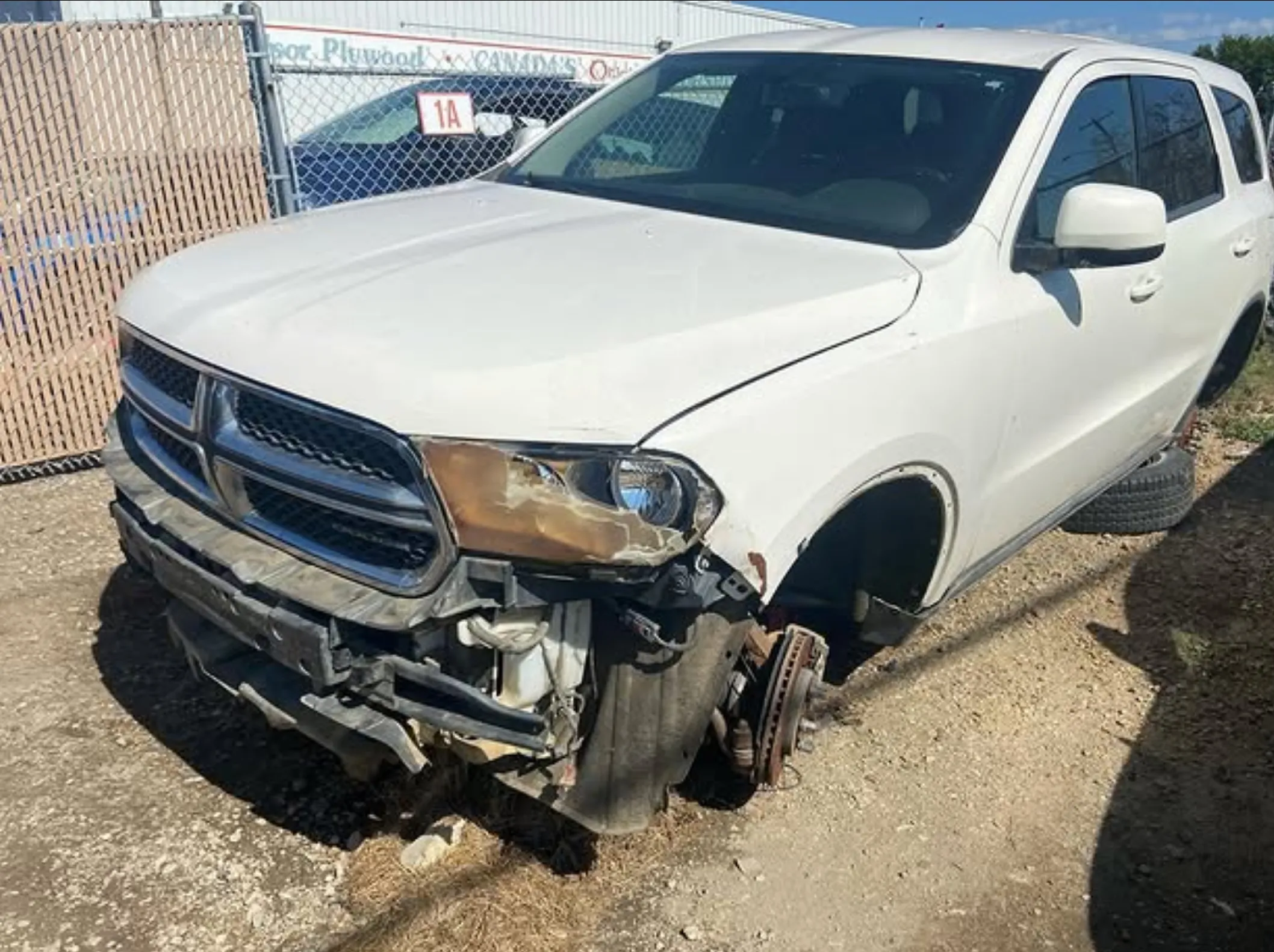
Electric car batteries aren’t your everyday AAs. They’re massive battery packs, complex, and built to last. But they don’t last forever. When they come off the road, they often go through a second life before recycling:
- Reconditioning batteries: Cells are tested, and weaker modules are replaced.
- Repurposing: Used in solar panels storage systems, backup power, or grid-balancing infrastructure.
- Recycling: Finally shredded, smelted, or chemically treated to reclaim lithium, cobalt, and other battery materials.
Recycling EV batteries is still catching up to demand. But with new tech like hydrometallurgy and innovations in cathode chemistries, it’s getting cleaner and more cost-effective.
At Old Cars Removed, we’ve seen this firsthand in our car recycling operations across Melbourne. EVs are the future, and so is responsible battery disposal.
VIC Regulations: What You Need to Know
Here in Victoria, battery recycling falls under:
- Environment Protection Act 2017
- Dangerous Goods (Storage and Handling) Regulations 2022
- EPA Waste Classification for hazardous materials
If you run a workshop, scrap yard, or car removal service, you’re expected to:
- Store spent batteries in leak-proof containers
- Label and segregate by type and battery management category
- Use licensed transporters for disposal
Not doing so can get you slapped with penalties. We’ve worked with councils from Dandenong to Darebin helping blokes sort out dodgy storage setups.
A Few Battery Myths That Need Binning
- “They just end up in a landfill anyway.” → Wrong. Certified recycling facilities recover serious value.
- “Only car batteries are worth recycling.” → Nope. Even solar batteries and alkaline batteries are recyclable.
- “You can just throw them in the household bin.” → Illegal in VIC. And dangerous.
Quick Tips for Safe Disposal
- Tape the terminals before disposal (especially lithium types and high-voltage batteries)
- Don’t hoard them — they degrade and leak battery chemicals
- Keep away from heat and moisture
- Take them to drop-off points regularly
- Don’t attempt to break them open yourself (you’re not a chemist)
Final Word
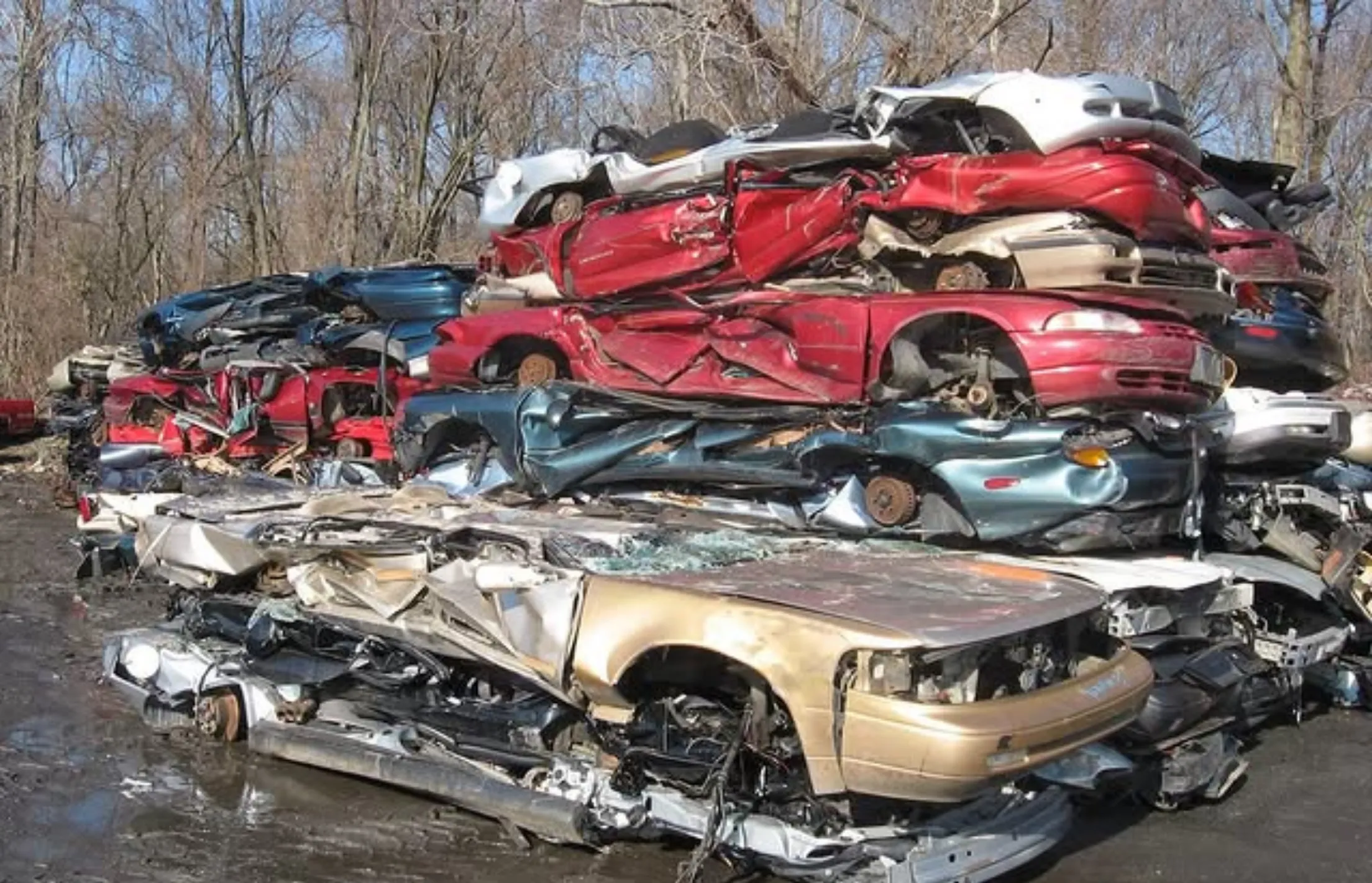
Battery recycling isn’t just the green thing to do — it’s the smart thing. Whether you’re cleaning out the garage, stripping a wreck, managing charging infrastructure for electric vehicles, or just wondering what happens to batteries after they’re recycled, now you know it’s a story worth telling.
At Old Cars Removed in Melbourne, we take battery safety seriously. When we tow a rusted-out diesel vehicle or hybrid sedan, we don’t just grab the body — we recover and recycle the battery too. It’s all part of giving old cars (and their battery components) a cleaner send-off. We’re proud to be part of the car recycling Melbourne ecosystem — one battery, one wreck at a time.
Got a car full of recycled batteries or busted battery packs? Reach out to Old Cars Removed — we’ll take the whole lot.
FAQ
Can I put batteries in the household rubbish bin?
No. In Victoria, it’s illegal and dangerous. Always use a designated battery recycling service.
Are EV batteries recyclable in Australia?
Yes, but they require specialised recycling processes. The recycling industry is growing fast to handle the increasing demand.
Do I get paid for recycling household batteries?
Generally no — but you can save money and prevent hazards by dropping them off properly.
Is it safe to store old batteries at home?
Only short-term and if done correctly: cool, dry place, terminals taped, and out of reach of kids.
Where can I take batteries in Melbourne?
Council depots, major retailers like ALDI and Bunnings, or contact a licensed recycler like us at Old Cars Removed.